






Threading Your Machine Correctly Every Time
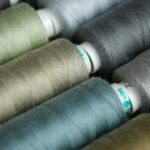
Threading looks trivial until you learn that the tension discs are physically open only when the presser foot is raised. Get the order right and a large share of stitch faults never happen.

Threading looks trivial until you learn that the tension discs are physically open only when the presser foot is raised. Get the order right and a large share of stitch faults never happen.
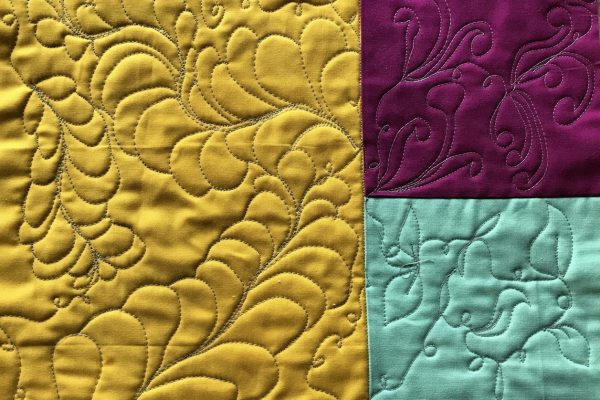
Clipping and notching solve a geometry problem: the seam allowance on a curve is either too short or too long once the seam is turned. Knowing which case you are in tells you which cut to make.
Rotary cutters and bent handle shears solve different problems, and neither is a general purpose tool. Here is how blade geometry, mat choice and replacement intervals affect accuracy and safe handling.
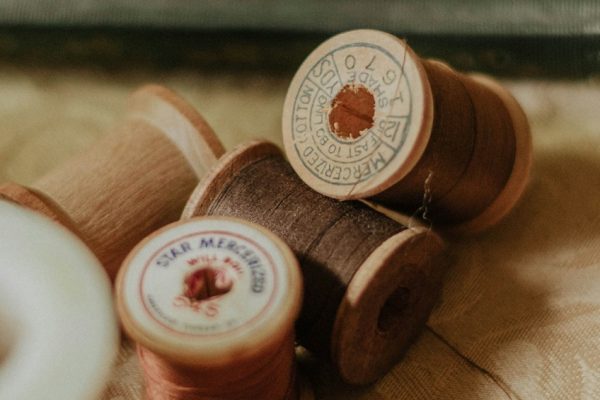
Knitting patterns are compressed notation, not prose. Once you know where the abbreviation list lives and how repeats, brackets and charts are punctuated, most patterns read straight through.

Knitted and woven fabrics fail in different ways, so they need different darns. Here is how to choose between a woven darn and Swiss darning, hold the right tension, and match yarn to the original garment.
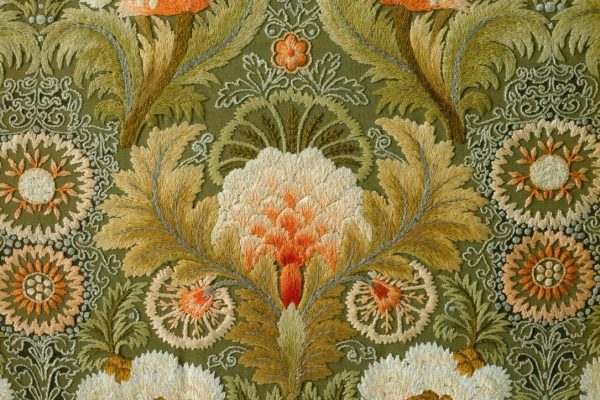
Blocking sets a knitted fabric into the dimensions you want by relaxing the strains built into it. Which method works depends almost entirely on fibre, and the effect is not permanent on every one.
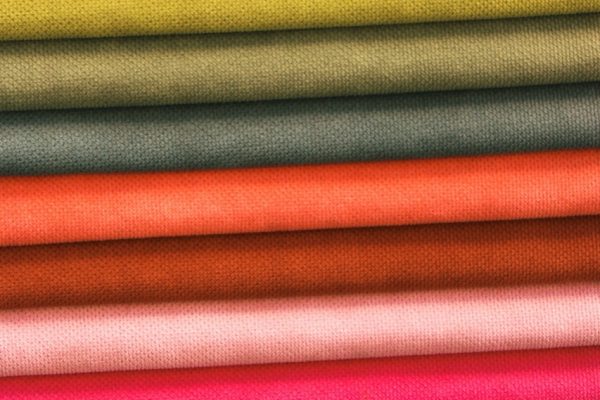
Chiffon, georgette and charmeuse shift while you cut and slip while you sew. The fix is a set of temporary changes to how you cut, stabilise and stitch, not a change of technique at the machine alone.

The cardboard end of a fabric bolt carries fibre content, width, care and origin, and every one of those changes what you can make. Here is how to read it and what to record before the information disappears.
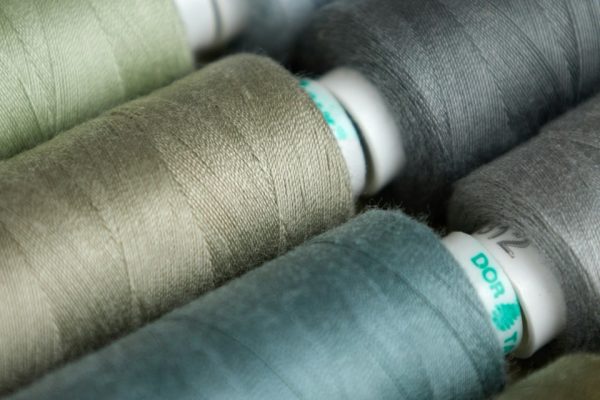
Basting holds three layers in register long enough to quilt them. Here is how pin, spray and thread methods compare, and what ventilation matters when aerosol adhesives are involved.
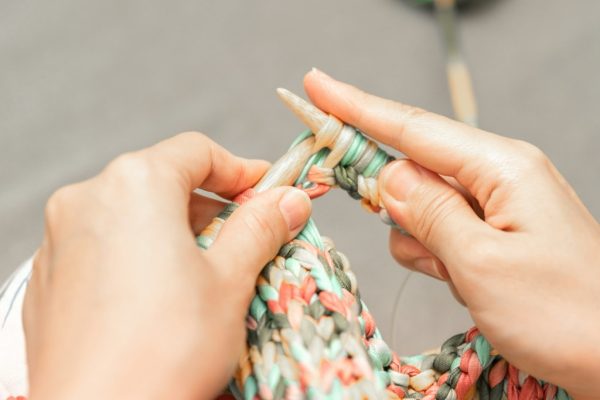
Needle through finger injuries follow a predictable pattern of hand position and distraction. This is an informational look at how they happen and how guarding and habits reduce the risk.